

### Blog Post:
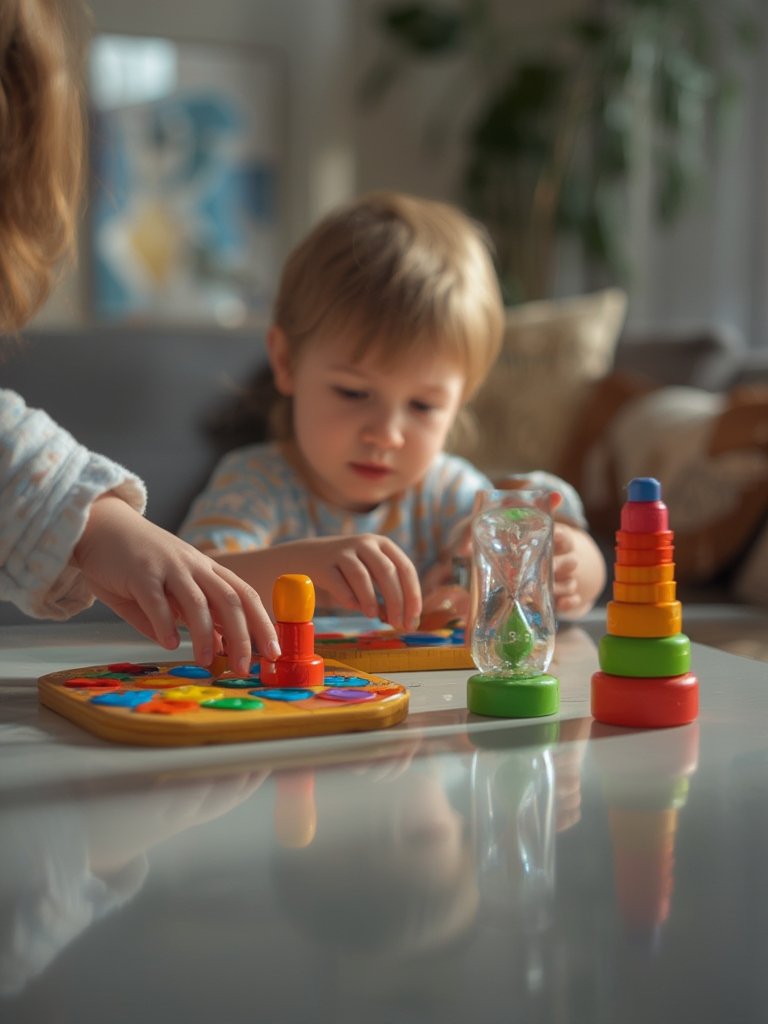
Open-ended play toys are changing how parents and educators think about child development, offering endless possibilities for creative exploration and growth.
Key Takeaways
- Open-ended play toys encourage creativity and adaptability, staying relevant as children grow.
- Many competitor articles overlook inclusivity, sustainability, and detailed safety guidance when recommending these toys.
- Choosing the right toys involves a careful look at durability, versatility, and potential safety risks for toddlers.
- The Core Concept: What Are Open-Ended Play Toys?
- Step-by-Step Guide: How to Choose and Use Open-Ended Play Toys
- Advanced Analysis & Common Pitfalls
- Conclusion
- Frequently Asked Questions
The Core Concept: What Are Open-Ended Play Toys?
Open-ended play toys are toys without a predetermined outcome or a single “right” way to play. Instead, they offer flexible possibilities, inviting children to use their imagination, experiment, and invent games or worlds based on their mood and interests. For example, classic wooden blocks can become towers, bridges, or imaginary animals—all in a single play session. These toys grow with a child, adapting to new skills and creative ideas over months or even years.
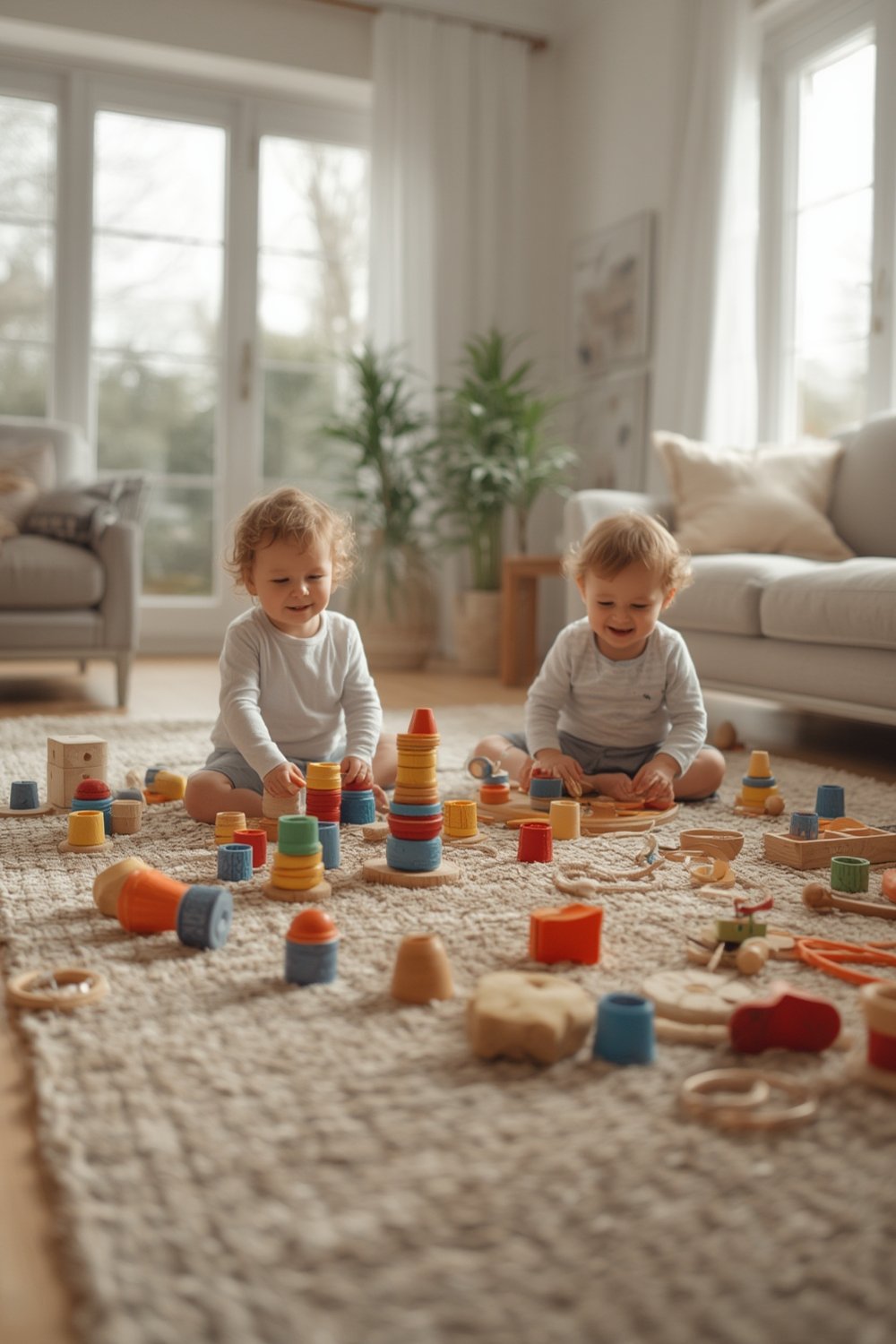
This stands in contrast to closed-ended toys, like shape sorters or puzzles, which are solved in one specific way and often hold a child’s attention for a limited time. According to experts, open-ended play toys are valued for their ability to spark curiosity, problem solving, and social skills while letting children take the lead (source).
Popular types of open-ended toys include:
- Wooden blocks and stacking sets
- Play silks
- Loose parts like pebbles, shells, or buttons (with supervision)
- Rainbow stackers and plates
- Nesting cups and stacking rings
- Malleable options like play-doh or clay
For more ideas, check out our guide on Montessori sensory toys or explore our recommendations for educational toys for toddlers.
Step-by-Step Guide: How to Choose and Use Open-Ended Play Toys
Getting started with open-ended play toys doesn’t require a huge budget or a major lifestyle change. Follow these steps to make your child’s play space more engaging—and safer—while nurturing their development:
- Step 1: Prioritize Safety and Age Appropriateness. For toddlers, choose large, robust pieces (like chunky wooden blocks or oversized stackers) instead of small loose parts that present choking hazards. Avoid toys with sharp edges or toxic materials. For more on this, see our toy safety guide.
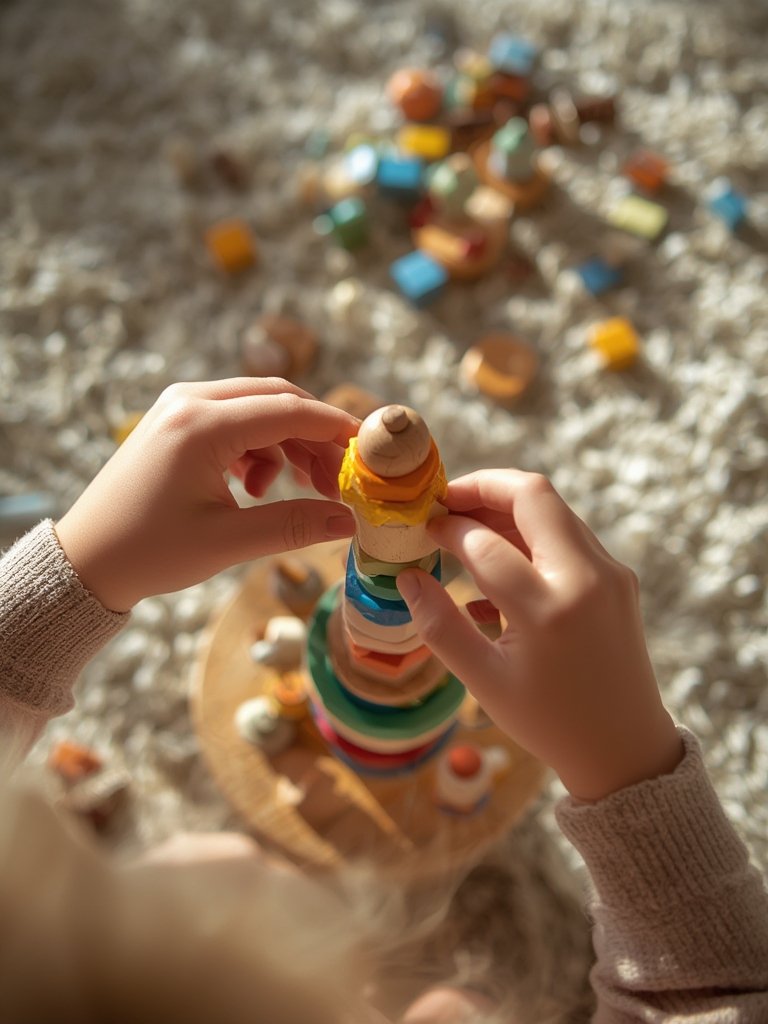
- Step 2: Focus on Versatility and Durability. Look for items that can be used in multiple ways, such as wooden rainbows (can be tunnels, bridges, or stacking elements) or nesting cups. Sturdy materials like solid wood or thick felt withstand rough toddler play much better than plastic or flimsy cloth.
- Step 3: Assess Developmental Value. The best open-ended play toys should challenge your child in several domains—fine motor, social, problem-solving, and creative skills. Open-ended toys are unique in that they “grow” with a child, matching evolving abilities.
- Step 4: Rotate and Store Efficiently. Don’t overwhelm your child with too many options at once. Set up a small, accessible selection and swap out alternatives every few weeks based on observed interests. This encourages deeper engagement.
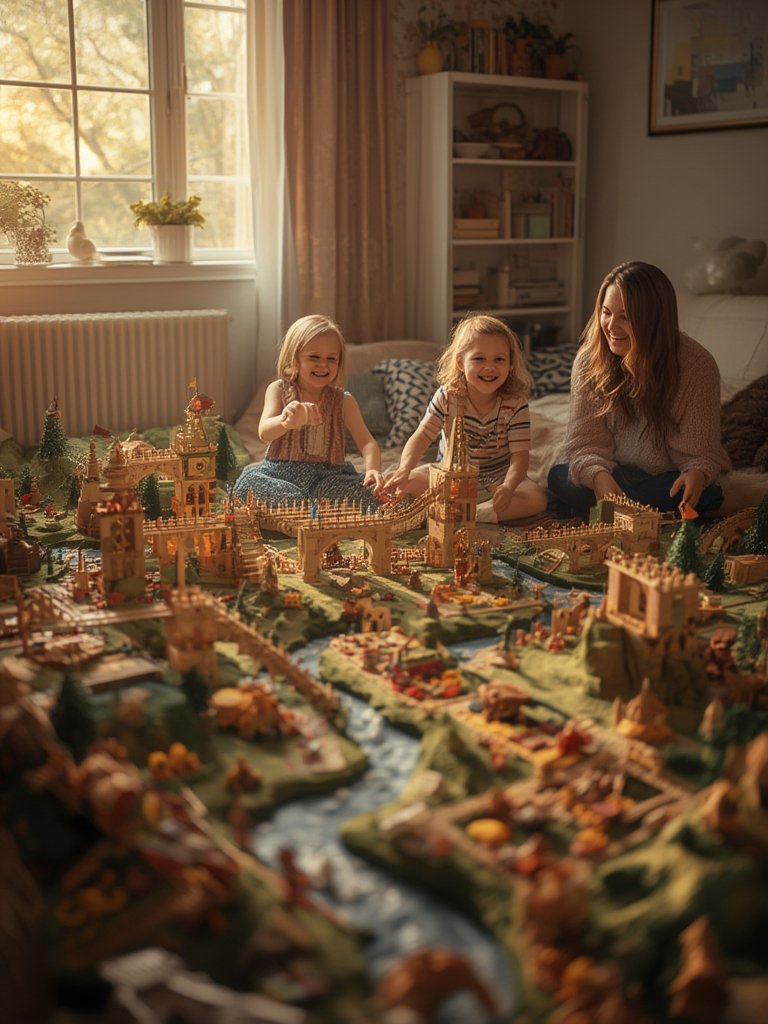
- Step 5: Encourage Collaborative Play. Invite siblings, cousins, or friends to play together. Building block towers or creating make-believe worlds helps develop sharing, cooperation, and language skills.
Not sure where to start? See our trusted list of open-ended Montessori toys for toddlers and find options recommended for creative, sustained play.
Advanced Analysis & Common Pitfalls
While open-ended play toys are a fantastic tool for development, there are key pitfalls and overlooked issues that caregivers and educators should keep in mind:
- Safety with Loose Parts: Many recommended toys (like loose pebbles, buttons, or small blocks) can present choking risks for toddlers under three. Always supervise play and use larger objects for younger children. See our guide on loose parts safety for more detail.
- Lack of Inclusivity: Most articles and brands ignore accessibility for children with disabilities. When possible, choose toys that are easy to grip, manipulate, and see. Look for brands offering adaptations for limited mobility or vision.
- Sustainability Concerns: Wooden or natural material toys are often more sustainable, but many brands don’t share details about sourcing, environmental impact, or lifecycle. Ask questions or seek certifications to ensure eco-friendliness.
- Price Range and Value: While there’s little published cost data, high quality open-ended toys (especially wooden) can be pricey. However, their versatility often justifies a higher price tag over time, as they rarely become obsolete as a child grows (source). Affordable options do exist—synthetic play silks, recycled-material blocks, and homemade loose parts can all deliver excellent value.
- Engagement Drop-off: Rarely, some children may find open-ended play overwhelming or less engaging if they prefer structured tasks. If so, mix open-ended toys with a few closed-ended favorites like puzzles to see what combination sparks the most enthusiasm.
| Open-Ended Toy Type | Benefits | Potential Downsides | Who It’s Best For |
|---|---|---|---|
| Wooden Blocks | Versatile, durable, support all-round skills | Can be costly; choking hazard if small | All ages (choose large blocks for toddlers) |
| Loose Parts (pebbles, shells) | Inspires creativity, sensory play | Supervision required for toddlers; mess risk | Older toddlers, preschoolers (with care) |
| Play Silks | Imagination booster, multi-use | Can snag or wear out if low quality | All ages; watch for chewing in babies |
| Rainbow/Nesting Toys | Stacking, balancing, open-ended building | Hard plastics can crack; wood preferred | 1 year and up |
| Play-doh/Clay | Fine motor, creativity, sensory | Drying out; stains if not contained | 18 months and up (non-toxic, large pieces) |
Learn how these toys can fit into different approaches at our Montessori vs traditional toys comparison, or explore our post on the best DIY upcycling toys for more sustainable ideas.
Conclusion
Open-ended play toys unlock creativity, adaptability, and ongoing developmental benefits for toddlers. While most lack external awards or formal cost data, the consensus among parents and experts is clear: thoughtful selection and rotation of these toys offer unmatched play value and growth. Be mindful of safety, inclusivity, and sustainability. If you’re ready to overhaul your playroom or classroom, start slowly and observe what engages your child—sometimes the best insights come from their own inventiveness. To discover more, explore our comprehensive guides on safe and engaging toys for children of all ages. Open-ended play toys can transform every day into a chance to learn and create—start today!
Looking for guidance? Browse our curated shop or contact our team for personalized recommendations.
Frequently Asked Questions
What makes a toy “open-ended”?
Open-ended toys have no specific way to play—they can be used for many purposes, encouraging children to invent games and scenarios. There’s no “right” answer or single outcome.
Are open-ended play toys safe for toddlers?
Yes, as long as you choose large, durable materials without small or loose parts (to prevent choking) and check for non-toxic finishes. Always supervise younger children.
Do open-ended toys cost more than traditional toys?
Not always, but high-quality options like solid wood blocks can be more expensive up front. However, their versatility often means they’ll be used for years, providing better value over time (source).
How can I encourage my child to use open-ended toys?
Start by modeling play—build, sort, or stack together. Rotate toys often, limit the number of items available at once, and let your child take the lead in inventing new uses.
What’s the best age to introduce open-ended play toys?
Toddlers as young as 1 year old can enjoy open-ended toys, provided the toys are sufficiently large and safe. As children develop, they’ll find new creative ways to use the same toys.
—