

### Blog Post:
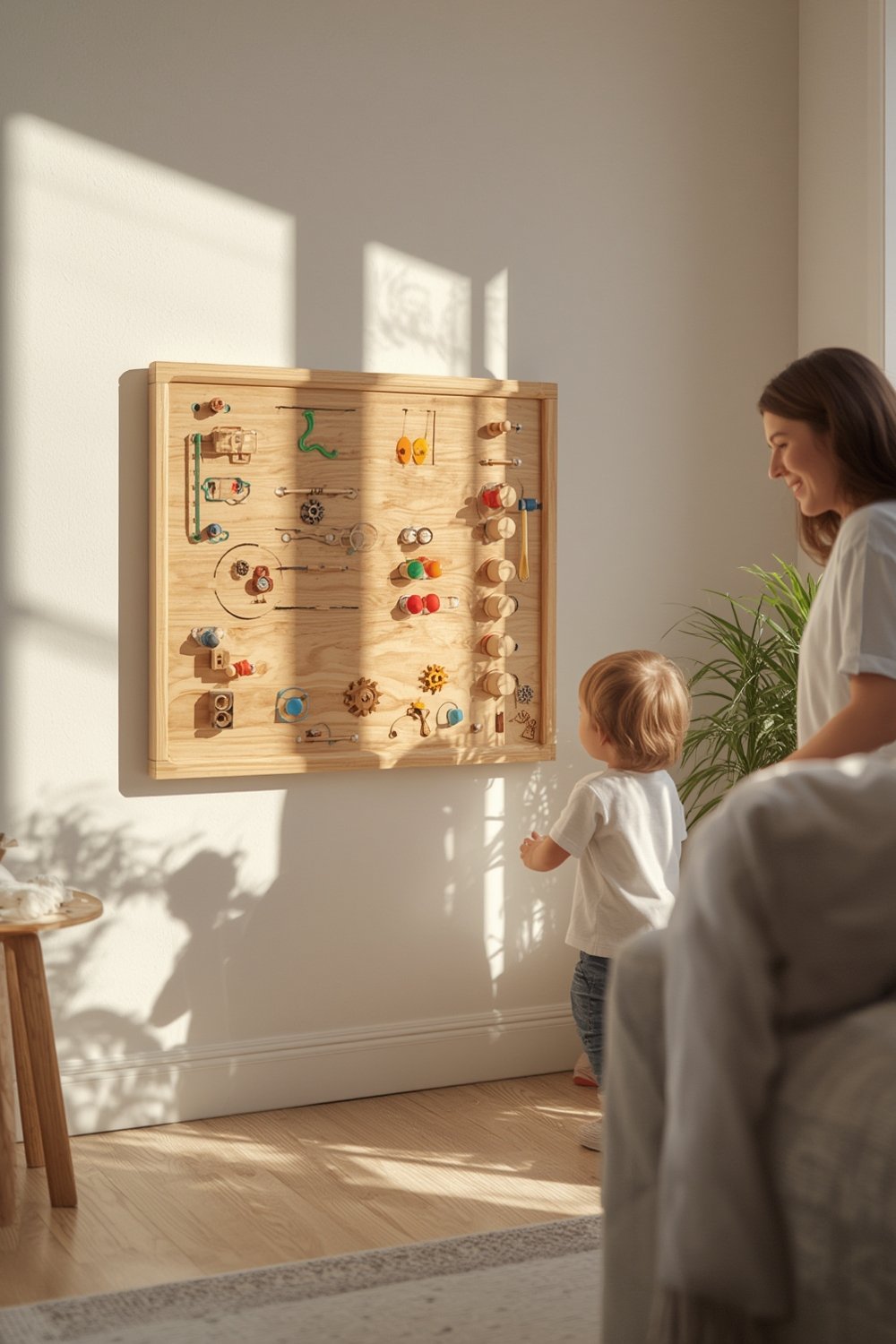
Montessori busy board DIY projects offer a hands-on, affordable way to provide toddlers with sensory experiences and skill-building play, but choosing the right approach requires careful planning for safety, engagement, and real developmental outcomes.
Key Takeaways
- DIY Montessori busy boards should isolate one or two developmental skills at a time to avoid overstimulation and align with Montessori principles.
- Safety is essential: Select natural, non-toxic materials; avoid sharp edges and small detachable parts for toddlers under three.
- Customizing activities based on your child’s interests and abilities leads to greater engagement and developmental value.
- What Is a Montessori Busy Board DIY and Why It Matters
- Step-by-Step Guide: How to Build a Montessori Busy Board DIY
- Advanced Analysis & Common Pitfalls: What To Watch For
- Conclusion: Building the Best Montessori Busy Board DIY
- FAQ: Montessori Busy Board DIY
What Is a Montessori Busy Board DIY and Why It Matters
A Montessori busy board DIY is a sensory activity board crafted at home to help toddlers practice fine motor skills, hand-eye coordination, and problem-solving. Unlike many commercial “busy boards” packed with dozens of items, true Montessori design isolates individual skills, keeps activities simple, and uses real, recognizable objects from daily life such as zippers, latches, or switches.
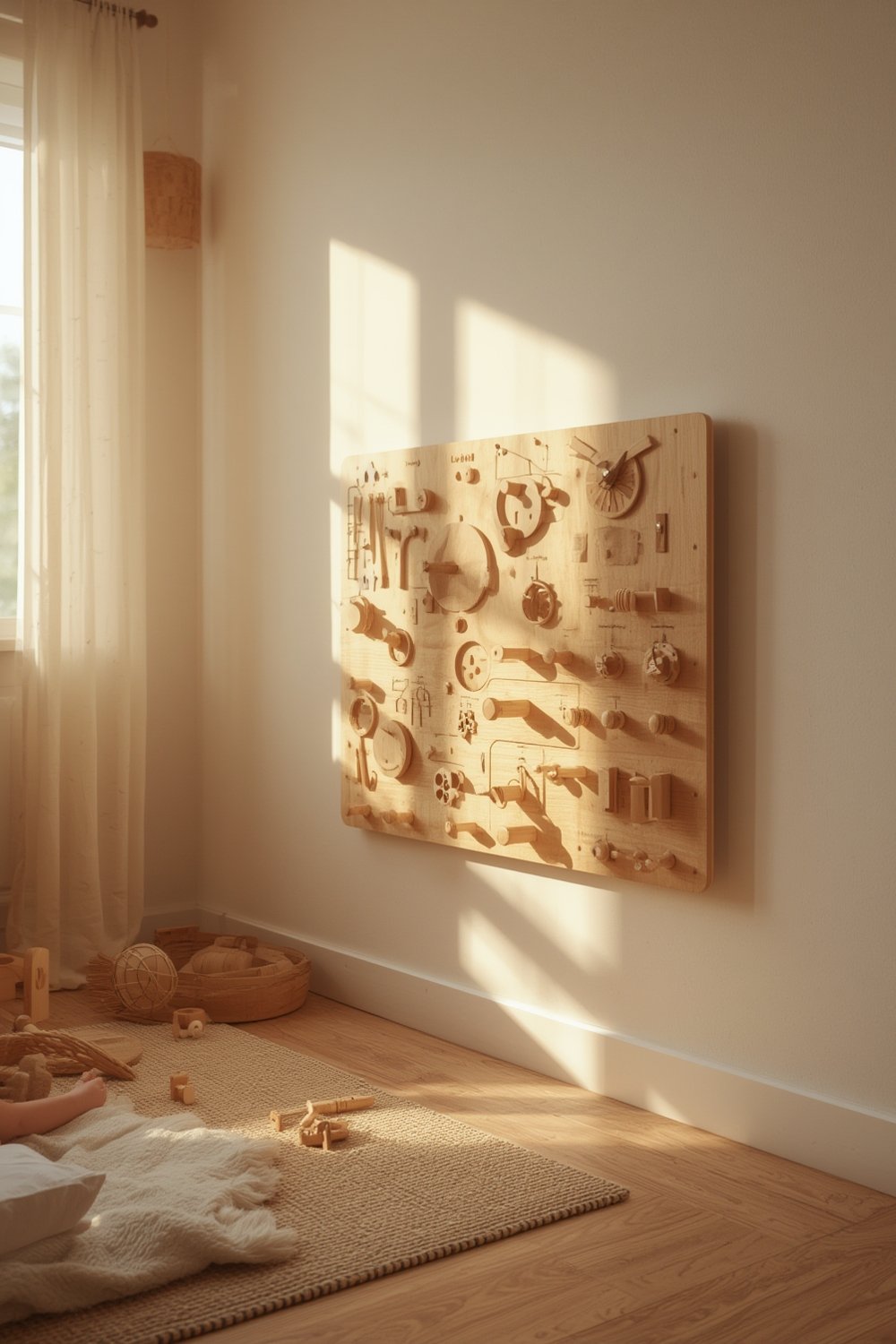
Research suggests that the biggest benefits come from boards that promote independent exploration, not overwhelming choice [source]. DIY Montessori busy boards are especially useful for 1-year-olds and toddlers, as they can be tailored with materials and challenges suited to each child’s developmental stage.
Demand for Montessori-inspired toys has surged over the past decade among parents and educators, but there is a problematic lack of hard sales statistics or verified research on developmental outcomes [source]. This puts the focus on making informed, intentional choices—especially when building a busy board yourself.
For more background on Montessori learning or toy selection, see our comprehensive guide on Montessori vs Traditional Toys.
Step-by-Step Guide: How to Build a Montessori Busy Board DIY
-
Choose Your Board Base:
- Opt for unfinished or sealed natural wood (e.g., birch plywood). Thickness should be at least 1/2 inch for safety and stability.
- Sizes around 12″x18″ are manageable for small children. Sand all edges thoroughly.
-
Select Safe Fasteners & Mounting:
- Use flat-head screws. Check each attachment is flush and cannot be pried loose.
- For wall-mounting, use secure hardware or leave free-standing with rubber feet.
-
Pick Montessori-Aligned Activities:
- Choose one or two main skill areas (e.g., lacing, switches, buttons). Keep total attached items to 3-5 maximum for focus.
- Avoid miniaturized, non-functional replicas. Use real latches, zippers, light switches, or buckles.
-
Materials & Assembly:
- All materials should be non-toxic, safe for mouthing, and not a choking hazard. Avoid anything with sharp edges or loose parts.
- Paints/finishes: Always use water-based products labeled as safe for toys.
-
Test for Safety & Engagement:
- Inspect each element, tug and pull to ensure nothing detaches.
- Let your child explore under supervision. Remove or adjust items if frustration or lack of engagement is observed.
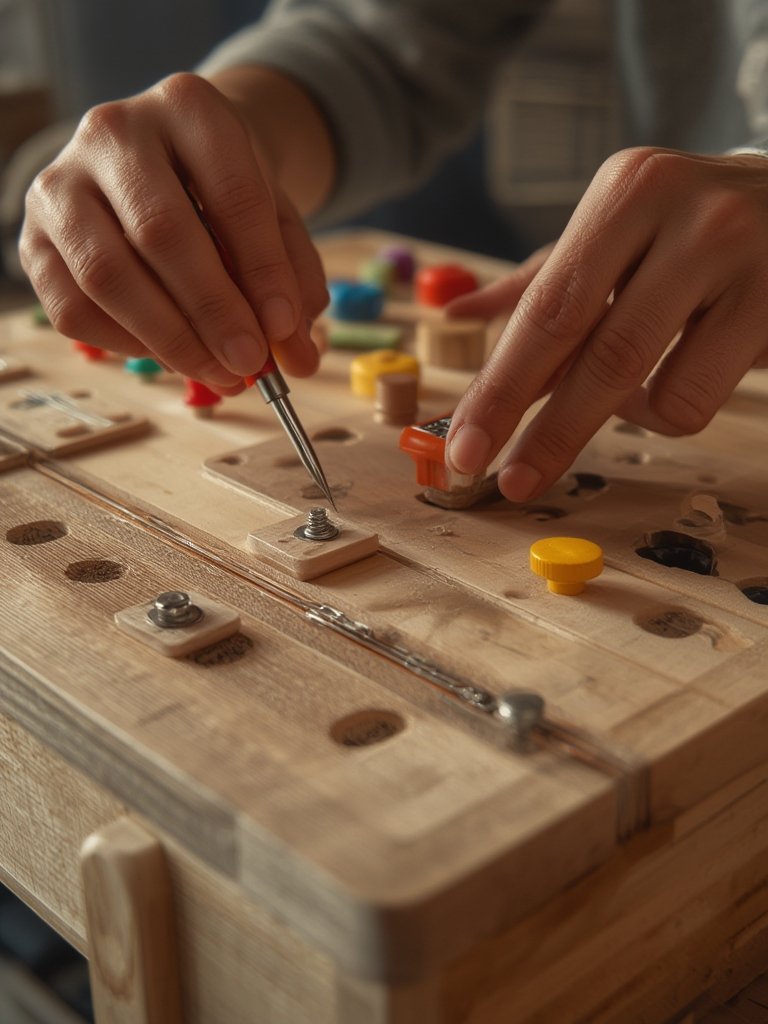
- For customizable ideas, try including a shape sorter, simple puzzle piece, or textile square with snaps or velcro. Rotate items every few weeks for novelty.
- Add a photo frame or name label so your toddler feels ownership of the board—this supports independence, a key Montessori value.
- Need more help choosing age-appropriate items? Read our Montessori toys for 1 year olds guide for inspiration tailored by age and stage.
If you decide to buy instead of build, check out our best Montessori busy boards reviewed resource, where we compare top rated commercial options and explain what makes each Montessori-aligned.
Advanced Analysis & Common Pitfalls: What To Watch For
While making a Montessori busy board DIY can be rewarding, several mistakes can undermine its value or pose problems for toddlers and parents.
| Common Pitfall | Why It Matters | DIY Solution |
|---|---|---|
| Overstimulating Design | Too many items can overwhelm toddlers and work against Montessori principles that focus on isolating skills [source] | Stick to 2-5 features; rotate or swap attachments regularly. Less is more. |
| Poor Safety Standards | Choking hazards, sharp edges, or toxic finishes can put children at risk. Many DIY bloggers neglect details here [source] | Insist on wood or food-grade silicone. Double check every fastener and only use materials certified as toy safe. |
| Lack of Customization | Generic boards may not match your child’s interests or needs; buying a pre-made board can be costlier and less adaptive [source] | Observe your child, then adjust or redesign regularly. Incorporate favorite objects from daily life for relevance. |
| Ignoring Developmental Outcomes | Many claims about busy board benefits are anecdotal and not research-backed. Some boards have little real value for skill growth. | Choose features to specifically support skills like pinching, twisting, or latching—skills supported anecdotally in Montessori pedagogy. |
Durability and cost are often debated. Commercial wooden boards on Amazon and Etsy can be expensive (from $40 up to $150), but building your own typically ranges $20-$60, depending on your tools and whether you upcycle parts. Our budget Montessori playroom guide offers further cost breakdowns and money-saving tips.
Finally, keep realistic expectations. Most online “innovative” busy board DIYs still lack robust data on long-term developmental impact. Focus on fostering independent exploration and connection—that’s where Montessori shines. For deeper reading about sensory tools, see our best sensory toys for toddlers picks.
Conclusion: Building the Best Montessori Busy Board DIY
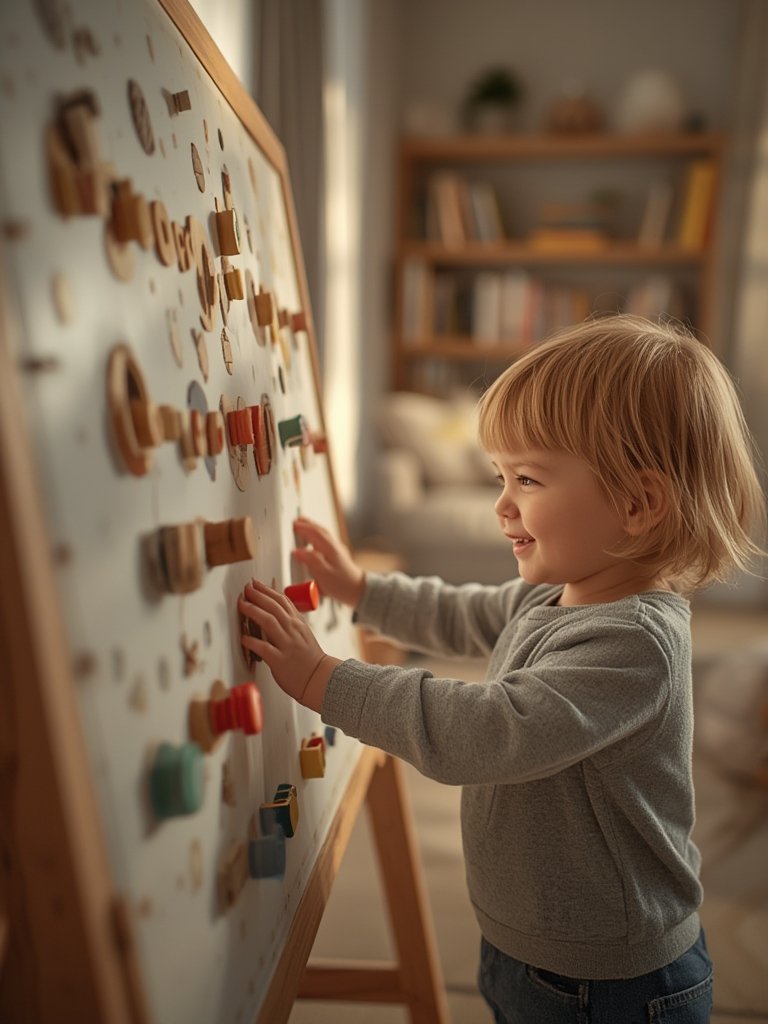
A carefully planned Montessori busy board DIY project is one of the most flexible tools for early childhood development—but only when built with a focus on safety, skill isolation, and your child’s real interests. There is no perfect formula; stay realistic about downsides, update the board as your toddler grows, and prioritize daily observation.
If you want your child to reap the full benefits of a Montessori busy board DIY, keep designs simple, materials safe, and your approach adaptive. Ready to start building or customizing your own? Download our printable checklist or browse our recommended designs in Montessori inspired DIY projects for more beginner-friendly blueprints.
FAQ: Montessori Busy Board DIY
What is the ideal age for a Montessori busy board DIY?
Most busy boards are safe for toddlers from around 9-12 months but make sure elements cannot be removed or swallowed. For children under 3, avoid small parts. Always supervise play in the early months.
How many activities should I include on a busy board?
Experts recommend starting with two or three core activities and gradually adding more over time. For best learning, focus each activity on a single skill, like turning a knob or opening a latch.
What materials are safest for a DIY Montessori busy board?
Natural wood, stainless steel, food-grade silicone, and sewn cotton or wool fabric are ideal. Avoid plywood with formaldehyde glues, low-quality plastics, or painted surfaces unless labeled non-toxic for toys.
Are there proven developmental benefits from busy boards?
While there’s limited published research, Montessori educators note improvements in fine motor skills, problem-solving, and independent play. Benefits are strongest when the board is tailored to your child and not overloaded with features.
Can I reuse or swap out board components as my child grows?
Yes, modular designs using screws or velcro-backed panels make it easy to refresh the activities. Regular updates help maintain engagement and challenge for developing skills.
—