

### Blog Post:
coding toys for 3 year olds are redefining how toddlers explore STEM concepts without screens, offering playful learning for families focused on healthy development.
Key Takeaways
- The global preschool coding toy market reached USD 1.42 billion in 2024, illustrating strong growth in early STEM learning.
- There are no unique safety certifications strictly for screen-free coding toys, but non-toxic materials and durability are crucial.
- Common complaints and exact progression metrics are rarely disclosed, so parents should vet toys for real skill-building and age-fit.
- What Are Screen-Free Coding Toys for 3 Year Olds?
- How to Choose and Use Coding Toys for Three-Year-Olds
- Advanced Analysis & Common Pitfalls
- Conclusion
- Frequently Asked Questions
What Are Screen-Free Coding Toys for 3 Year Olds?
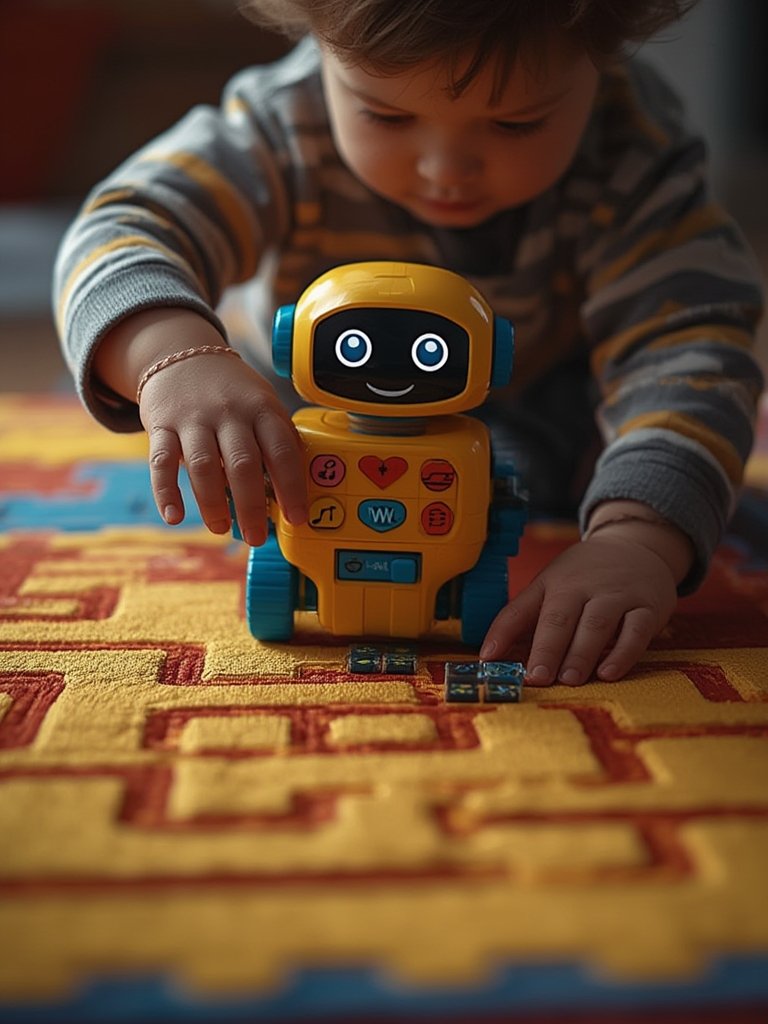
Screen-free coding toys for three-year-olds transform programming concepts into hands-on play. They don’t rely on phones, tablets, or computers, but instead use physical buttons, cards, or movable pieces to introduce logical thinking and sequencing. These toys help build a foundation for future science and math learning while promoting fine motor skills.

What makes these toys attractive to parents is the blend of tangible interaction and educational content. Unlike many electronic or app-based options, screen-free coding toys reduce screen time, offer tactile learning, and fit guidelines for healthy childhood development. With the demand for STEM toys rising—reflected in a USD 1.42 billion global market for preschool coding toys—manufacturers now prioritize sensory features like touch pads and simple robotics.
While high-quality products integrate non-toxic finishes and eco-friendly materials, there is no universal safety certification just for these toys. Parents should double-check that a toy meets standard child safety guidelines and look for reviews highlighting durability, not just educational value.
If you want to dig deeper into play-based learning, see our resource on Montessori toys for toddlers, which also covers similar benefits and selection criteria.
How to Choose and Use Coding Toys for Three-Year-Olds
Selecting and introducing coding toys to a three-year-old goes beyond looking at age recommendations. Follow these concrete steps to ensure a safe, fun, and educational experience.
- Prioritize safety above all else. While the kids toy market emphasizes non-toxic and durable designs (source), you won’t always see a certification like ASTM F963 or EN 71 on screen-free coding toys. Inspect for small parts, sharp edges, and battery compartments that are screw-locked.
- Choose the right format. At age three, children benefit from large, tactile buttons, sliders, or blocks rather than complex robots or app-driven systems. simple robots that move based on “code cards” or rotary dials enable a swift learning curve. For more about beginner-friendly options, check our best coding robots for kids review.
- Assess educational value. Since leading toys do not specify which exact coding skills they build, look for kits that teach basic sequencing and cause-effect relationships rather than abstract logic. The experience should be activity-oriented and repeatable, not reliant on novelty.
- Verify battery and maintenance needs. Market research doesn’t consistently disclose ongoing costs, but many coding toys require batteries and extra accessories. Factor these into your budget. If possible, pick sets that use standard AA/AAA batteries or even better, no batteries at all.
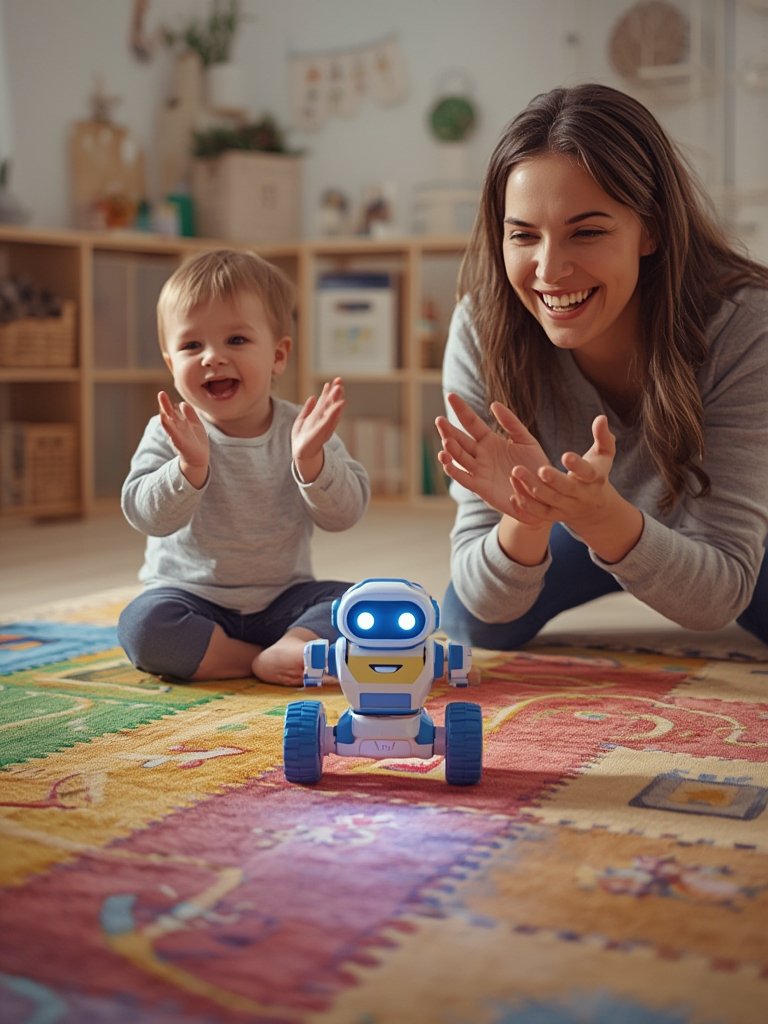
- Plan for multi-child play and inclusivity. Screen-free sets with multiple control cards or moveable pieces can be shared between siblings or classmates, promoting collaboration. Consider toys that are robust and include enough parts for simultaneous use in playdates or small groups (learn more about group STEM play in our guide on STEM toys for preschoolers).
- Set aside time for guided exploration. While younger kids can play independently, a short adult-led introduction helps children get the most from the toy. Demonstrate how the commands work and suggest challenges such as moving a robot to a target item or solving a simple maze.
To extend learning, pair coding toys with other open-ended tools, such as those featured in our non-electronic STEM toys roundup.
Advanced Analysis & Common Pitfalls
Screen-free coding toys are not without downsides. No product is immune to frustration, lost pieces, or unclear instructions. Here are the most realistic issues families may run into:
- Lack of clarity in skill progression: Brands rarely specify which early coding skills are taught or how learning progresses. Parents may need to improvise their own levels or track achievements informally.
- Durability concerns: Some toys marketed to toddlers do not withstand rough play despite “toddler safe” claims. Buttons can stick and moving parts may fail after drops.
- Hidden costs: Batteries, extra cards, and accessory packs can add up. Because market data does not publish average price ranges, buying replacement parts is sometimes necessary for continued use.
- Limited inclusivity features: Many sets lack adaptations for differently-abled children. Instructions often come with limited iconography or are not tactile symbols friendly.
- Insufficient multi-child designs: Several high-ranking sets are built only for solo play. If you have more than one child, this leads to arguments or limited playtime.
| Factor | Typical Issue | Actionable Solution |
|---|---|---|
| Skill Development Transparency | No info about what is taught | Supplement with parent-led challenges and observe progress |
| Durability | Parts break easily; design flaws | Check reviews; choose toys with reinforced parts and warranty |
| Ongoing Costs | Frequent battery/part replacements | Opt for non-battery toys or check accessory availability before buying |
| Multi-child Play | Single-player focus | Buy sets with multiple controls/pieces for sharing |
| Inclusivity | Lack of adaptive features | Seek brands with tactile symbols, large components, or braille support |
For more on adaptive play and accessibility, visit our article on autism-friendly toys for actionable ideas.
Conclusion
Coding toys for 3 year olds offer a promising entry into STEM education, especially when chosen carefully for safety, durability, and developmental value. The market is growing quickly—both in size and in diversity of features. Yet, transparency about pricing, durability, and skills taught is still lacking, so parents need to investigate closely before buying.
If you want to foster hands-on skills and keep screen time low, explore the best coding toys for 3 year olds and compare options from trusted brands. Ready to start playful programming? Browse our curated recommendations or read user-tested guides to find your family’s best fit.
Frequently Asked Questions
Are coding toys safe for 3 year olds?
The majority of coding toys designed for preschoolers prioritize large pieces and non-toxic materials. However, there is no exclusive certification standard for screen-free coding toys, so parents should review safety info on packaging and check for small or loose parts before introducing a toy.
Do coding toys actually teach programming?
For three-year-olds, coding toys usually focus on simple concepts such as sequencing, direction, and cause-and-effect. True programming knowledge comes later, but these toys lay key mental pathways for problem-solving.
What’s the difference between screen-based and screen-free coding toys?
Screen-based toys often use apps or digital prompts, while screen-free toys rely entirely on buttons, cards, or tangible controls. The latter are better for hands-on motor skill development for young children, but research on long-term learning outcomes is limited.
What are common issues parents face with these toys?
Parents report concerns with durability, the need for frequent battery replacements, unclear instructions, and limited features for group play or inclusivity. It’s wise to read user reviews before buying.
How much do coding toys for 3 year olds typically cost?
No standardized price data is available. Costs vary widely based on brand, complexity, and accessories. Always factor in batteries and extra parts before purchasing.